How to Handle Roof Damage After a Severe Storm
Understanding the Impact of Severe Weather on Your Roof
When a storm rolls through, the roof takes the brunt of the force. High winds, heavy rain, hail, and flying debris can cause damage that is not always obvious from the ground. Homeowners often assume that if they do not see a major leak right away, the roof is fine. That assumption can lead to bigger problems down the road. Understanding how different types of storms affect roofing materials helps you know what to look for and when to call for professional help.
Wind uplift is one of the most common yet overlooked issues. When wind speeds exceed a certain point, the pressure difference between the inside and outside of a building can lift shingles or panels. This may not cause an immediate leak, but it loosens the roof’s protective layer. Over time, the exposed areas let moisture seep in, leading to rot, mold, and structural damage. Hail damage is another concern. Even small hailstones can crack asphalt shingles, dent metal panels, or knock granules off the surface. Those small dents and cracks create entry points for water. If you notice granules from your asphalt shingles collecting in the gutters after a storm, that is a sign the shingles have taken a hit. storm damage roofing
After a severe storm, a professional inspection is the most reliable way to assess the condition of your roof. A certified roofer can spot issues that are invisible from the ground, such as lifted flashing, cracked sealant around vents and chimneys, or damaged underlayment. Many roofing companies offer inspection services specifically for storm damage. They can also help you decide whether repairs or a full replacement is needed. That is where the concept of storm damage roofing comes into play. It refers not just to fixing obvious leaks, but to the full process of evaluating and restoring a roof after severe weather. This includes tarp installation for immediate protection, temporary repairs, and long-term solutions like shingle replacement or full roof replacement. A good contractor will walk you through each step and help you understand your options.
Common Types of Storm Damage and What to Watch For
Shingle Damage and Wind Uplift
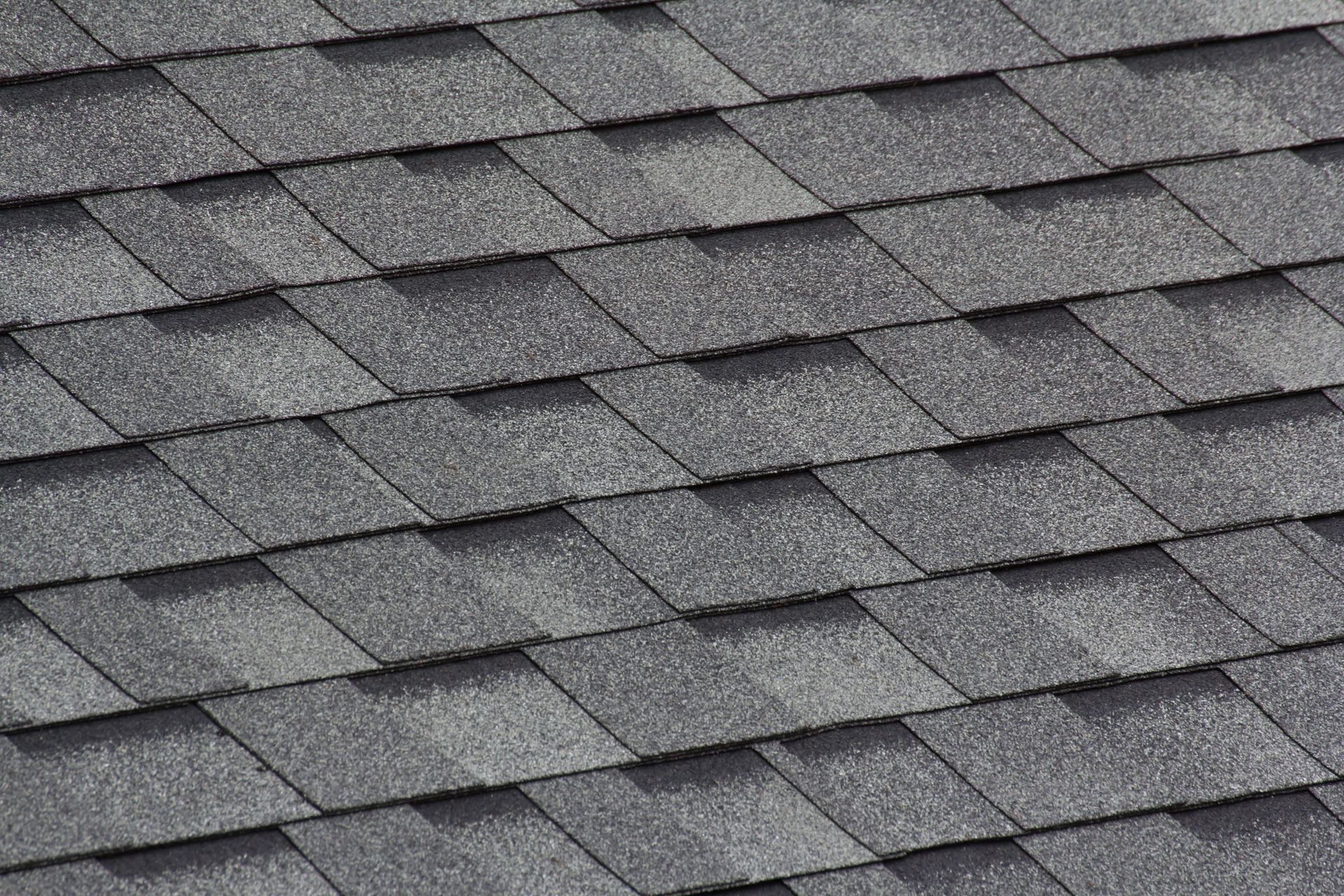
Shingles are designed to overlap and shed water. When wind gets under them, they can curl, crack, or blow off entirely. If you see bare spots on your roof or shingles that look lifted, that is a clear sign of wind uplift. Over time, those spots will allow water to run directly onto the underlayment, which is not meant to be exposed. Once the underlayment gets wet, it can deteriorate quickly. If you see shingles in your yard after a storm, that is an obvious problem. But even if the shingles are still on the roof, they may be loose. A simple test is to look for shingles that appear wavy or uneven.
Hail Damage
Hailstones vary in size, but even marble-sized hail can cause damage. On asphalt shingles, hail creates small dents that look like dimples. Over time, those dimples weaken the shingle and allow water to penetrate. On metal roofs, hail can leave dents that break the protective coating, leading to rust. On tile or slate roofs, hail can crack the material, especially if the tiles are older and more brittle. If you suspect hail damage, check the roof from a safe vantage point, or better yet, have a professional inspect it with a drone or ladder. Hail damage is one of the most common reasons for insurance claims after a storm, so documenting it with photos can help with your claim.
Roof Leaks
Not all leaks show up immediately. Water can travel along the underside of the roof deck before it drips into your living space. You might notice a water stain on the ceiling a week or more after the storm. If you see a stain, do not assume it is from a small leak. The damage could be widespread. If the stain is soft to the touch or if you see mold, the problem is already advanced. The best approach is to have a professional inspect the attic or crawl space to trace the source of the leak. In many cases, the leak is not directly above the stain but several feet away.
When to Repair vs. When to Replace
Deciding between repair and replacement depends on the extent of the damage, the age of the roof, and the type of material. If the damage is limited to a few shingles or a small area of flashing, a targeted repair is usually enough. But if the storm has caused widespread shingle loss, significant hail damage, or damage to the underlayment, replacement may be the better long-term choice. A roof that is near the end of its expected lifespan, for example, might not be worth patching. A full roof replacement gives you a fresh start and a new warranty. On the other hand, a relatively new roof with isolated damage can often be fixed efficiently. The key is to get a thorough inspection and an honest assessment. A good contractor will not push you into a replacement if a repair will do.
The Role of Tarp Installation and Immediate Protection
If the roof is leaking or has open areas, tarp installation is a temporary but effective solution. A heavy-duty tarp secured over the damaged area keeps water out until permanent repairs can be made. This is especially important if a major storm is expected again soon. A properly installed tarp should be tied down with ropes or straps, not just laid on top. It should overlap the damaged area by at least a few feet on all sides. Keep in mind that a tarp is a short-term fix. It can degrade under sunlight and wind, so it should be replaced with permanent materials as soon as possible. If you need a tarp, call a roofing professional who has experience with storm damage. They know how to secure it so it does not blow off or cause further damage.
Navigating the Insurance Claim Process
After a storm, your homeowner’s insurance policy may cover roof damage. The first step is to document everything. Take photos of the roof from the ground, any debris in the yard, and any interior water stains or damage. Keep receipts for any temporary repairs, like tarp installation, as these may be reimbursable. Contact your insurance company as soon as possible to start the claim process. Many insurers require a prompt report. A roofing contractor can help by providing a detailed estimate of the damage and the cost to repair or replace. Some contractors work directly with insurance adjusters to make the process smoother. Be aware that insurance policies vary. Some cover full replacement cost, while others pay only the depreciated value. Read your policy carefully or ask your agent to explain the coverage. If the damage is extensive, consider getting multiple estimates to ensure the settlement is fair.
Understanding how to handle roof damage after a storm can save you time, money, and stress. The key is to act quickly, document everything, and work with experienced professionals. Whether the damage is minor or severe, a thorough inspection and prompt repairs will protect your home and your peace of mind. And when you need expert guidance, look for a contractor who specializes in storm damage roofing and understands the unique challenges of severe weather in your area.
Corrections
Spot something wrong? Send it to the desk and it gets fixed in the open.